
Aircraft validation depends on confidence. Before a new airframe, component or actuation system moves from test environment to flight environment, engineering teams need reliable data that shows how the structure performs under real loads, forces and operating conditions.
That data often starts with the sensor.
High-accuracy sensors help aerospace teams measure force, load, strain and torque across aircraft structures and systems. They support ground testing, component validation, flight testing and long-term performance analysis by turning mechanical behavior into measurable data.
For airframe engineers, the goal is not simply to collect more data. The goal is to collect the right data, from the right location, with enough accuracy and reliability to support engineering decisions.
Why accurate sensor data matters in airframe testing
Airframe testing is used to understand how aircraft structures respond to load, movement, vibration, fatigue and environmental conditions. Whether the test is focused on a single component or a full structural assembly, the quality of measurement data directly affects the quality of the validation process.
High-accuracy sensors can help engineers answer important questions:
- Is the structure performing as expected?
- Are measured loads aligned with simulation models?
- Where are the highest stress points?
- Is the component suitable for the next stage of testing?
- Is the test data repeatable?
- Can the measurement setup support ground testing, flight testing or both?
When measurement data is unclear, inconsistent or incomplete, engineering teams may need to repeat tests, adjust designs, add safety margin or investigate unexpected results. Reliable sensor data helps reduce that uncertainty.
What are airframe testing sensors?
Airframe testing sensors are used to measure mechanical forces and structural responses across aircraft components, assemblies and systems. Depending on the application, they may measure load, force, strain, torque, pressure or multi-axis forces.
These sensors are commonly used in:
Because aerospace structures are often compact, highly engineered and exposed to demanding conditions, the sensor must fit the application as well as the measurement requirement. In many cases, that means a custom sensor or field-installed strain gauging solution is more effective than an off-the-shelf device.
How sensors support ground-based airframe validation
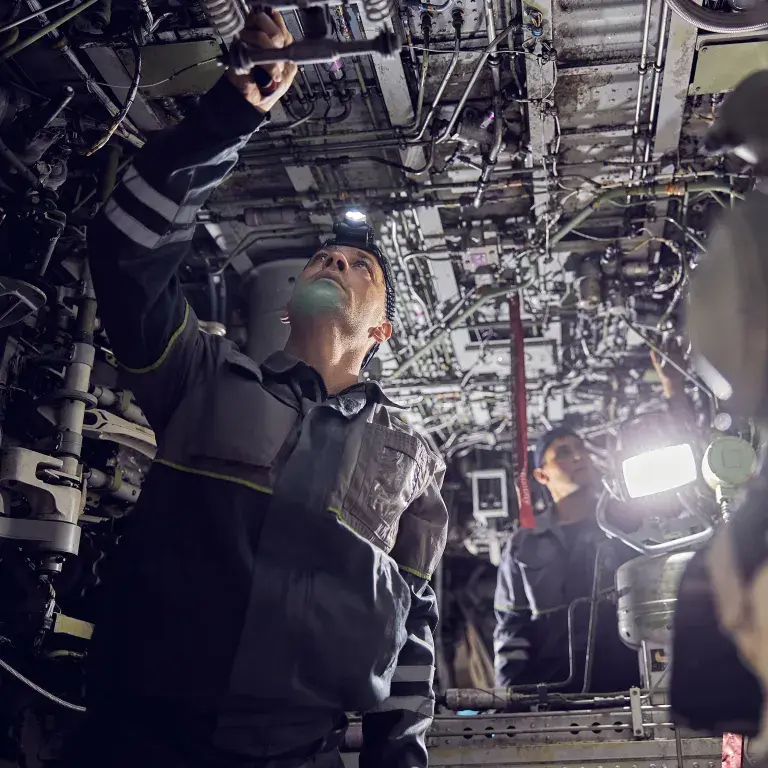
Ground testing gives aerospace teams a controlled way to validate aircraft structures before flight. Sensors installed on test articles, components or structural assemblies help measure how forces move through the airframe.
In ground-based testing, sensors can support:
- Static load testing
- Fatigue testing
- Structural proof testing
- Actuator load measurement
- Control surface force measurement
- Component qualification
- Strain measurement
- Test-to-simulation correlation
Ground testing often acts as a bridge between design assumptions and real-world performance. Sensor data helps engineering teams compare physical test results with analysis models, refine designs and identify potential issues before they become more expensive to address.
How sensors support in-flight testing
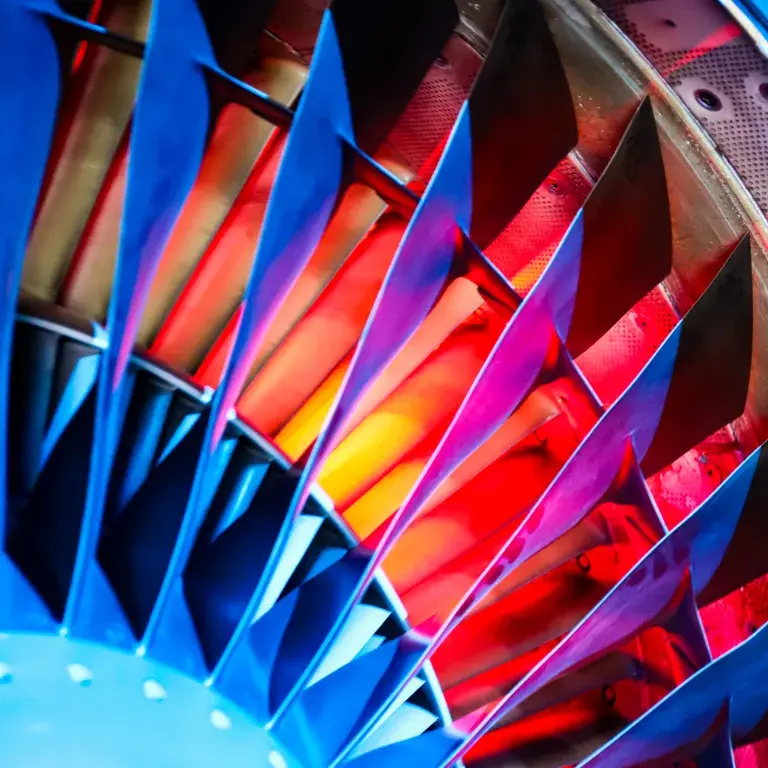
Flight testing introduces a different set of measurement challenges. Sensors must provide accurate data while operating in real aircraft conditions, where space, vibration, temperature variation, wiring, signal stability and installation access can all affect performance.
In-flight sensors may be used to measure:
- Control surface loads
- Actuation forces
- Structural strain
- Component response
- Mechanical loads during flight conditions
- System performance during maneuvers
Compared with lab-based testing, in-flight measurement requires careful sensor design and integration. The sensor must be accurate, but it also needs to survive the environment, fit the available space and deliver usable data to the aircraft’s measurement or data acquisition system.
Why custom sensors are often needed for aerospace testing
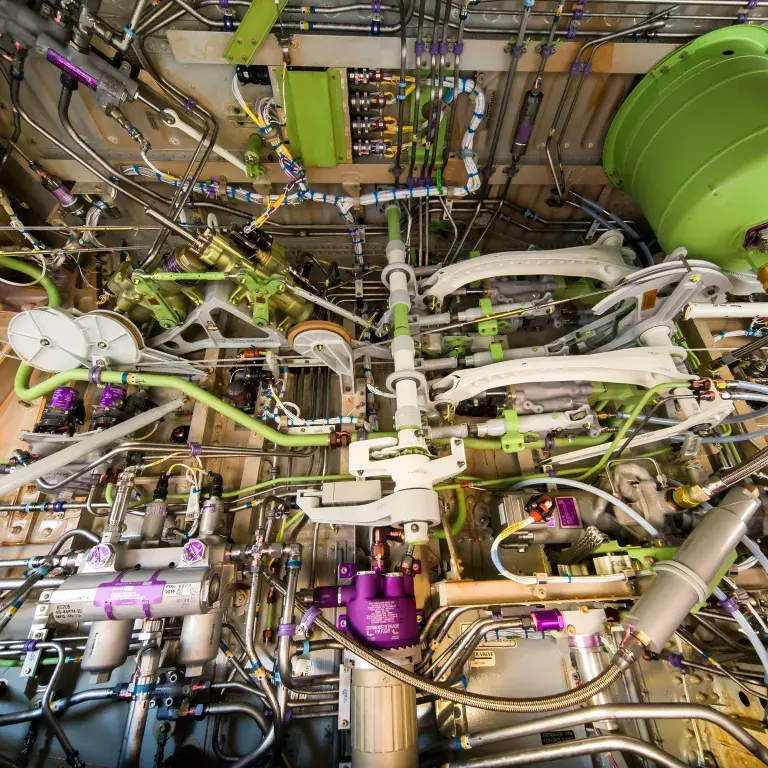
Standard sensors work well when the application matches the sensor package. Aerospace testing often does not. Airframe applications may involve limited installation space, unusual load paths, high reliability requirements, harsh environments or the need for redundant measurement. A sensor that is too large, too difficult to integrate or not aligned with the true load path can compromise the measurement.
Custom aerospace sensors can be designed around the specific needs of the application, including:
- Available space
- Load range
- Measurement direction
- Single-axis or multi-axis sensing
- Mechanical interface
- Environmental exposure
- Signal output
- Amplification
- Redundancy
- Built-in test requirements
- Data acquisition compatibility
This allows the measurement solution to fit the aircraft structure, rather than forcing the aircraft structure to fit the sensor.
Field gauging measuring the structure itself
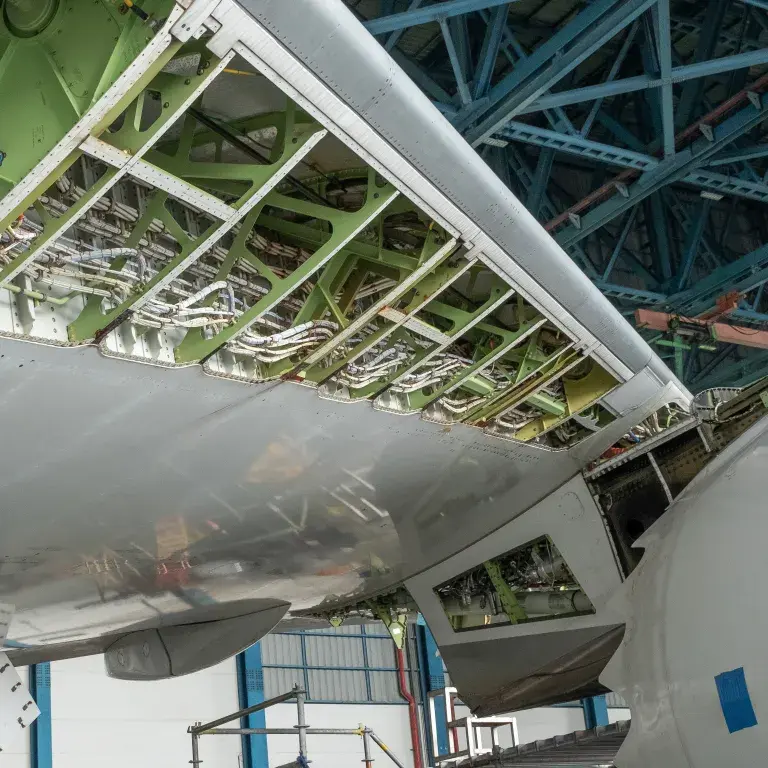
In some airframe testing applications, the most effective approach is to instrument the component directly. Field gauging allows strain gauges to be installed onto an existing structure, turning that component into a measurement device. This can be useful when there is no room for a packaged sensor, when the measurement point is highly specific or when engineers need data from the actual structural load path.
Field gauging can support:
- Airframe structural testing
- Strain measurement
- Load path analysis
- Component transducerization
- Mechanical stress analysis
- Ground test instrumentation
- Flight test instrumentation
- Design verification
By measuring the component itself, field gauging can help engineering teams capture data from the exact location where performance needs to be understood.
Where high-accuracy sensors are used in aircraft validation
Airframe validation can involve many different structures and systems. Sensor requirements vary depending on the aircraft, test program and measurement objective.
Typical aerospace applications include:
Sensors can help measure loads and forces in actuation systems used for flight control and movement. These may include systems associated with flaps, slats, rudders, ailerons, spoilers, trim stabilizers and other control surfaces.
Custom load cells, strain-gauged components and force sensors can be used to validate brackets, joints, linkages, structural assemblies and other load-bearing components.
Sensors can be installed across a test article to measure load distribution, structural response, fatigue behavior and correlation with simulation.
Compact and application-specific sensors can help capture real-world performance data during flight test programs.
High-accuracy load measurement can support validation of systems exposed to high force, repeated loading and demanding operating conditions.
How better measurement supports certification readiness

Certification readiness depends on strong evidence. Sensors do not certify an aircraft on their own, but they help provide the measurement data engineers need to validate performance, document results and support decision-making.
High-accuracy sensors can improve confidence in:
- Structural test data
- Load measurement
- Strain measurement
- Repeatability Simulation correlation
- Component validation
- Flight test data
- Engineering change decisions
When the measurement system is designed correctly from the start, teams can reduce uncertainty and build a clearer evidence base throughout the validation process.
Choosing sensors for airframe testing
Selecting the right sensor starts with the measurement problem, not the product catalogue.
Before specifying a sensor, aerospace teams should consider:
| What needs to be measured? | Where does the measurement need to happen? | What loads or forces are expected? | Is the measurement single-axis or multi-axis? |
| How much space is available? | Will the sensor be used in ground testing, flight testing or both? | What environmental conditions will the sensor face? | Is redundancy required? |
| What output signal is needed? | Will the sensor integrate with the existing data acquisition system? | Would field gauging be more effective than a packaged sensor? |
Answering these questions early helps reduce integration risk and improves the usefulness of the data collected during testing.
Why work with HITEC Sensors?
HITEC Sensors designs custom engineered sensing solutions for demanding aerospace, medical, industrial, automotive and energy applications. For aerospace teams, that means support with force, load, torque, pressure and strain measurement challenges where accuracy, reliability and application fit matter.
HITEC supports airframe and aircraft validation programs with custom sensor design, strain gauge expertise, transducer manufacturing and field gauging services. Whether the application involves ground testing, in-flight measurement, aircraft actuation or structural validation, HITEC works with engineering teams to develop sensing solutions around the test requirement.
HITEC brings a quality-led approach to aerospace sensing, supported by AS9100D certification at its Chelmsford facility, alongside ISO 9001:2015 and ISO 17025-accredited calibration capabilities. This gives aerospace customers added confidence when selecting a sensing partner for demanding validation and test environments.
When an off-the-shelf sensor cannot meet the mechanical, environmental or measurement needs of the application, a custom approach can help aerospace teams capture the data they need with greater confidence.
Discuss your airframe testing application
Airframe validation requires accurate data from real structures, real systems and real test conditions.
If your team needs to measure load, force, strain or torque during aircraft development, HITEC Sensors can help you define the right sensing approach for your application.
Speak to HITEC Sensors about custom airframe testing sensors.
Speak to our experts
Provide us with your information and our team will contact you
Frequently Asked Questions
What are airframe testing sensors?
Airframe testing sensors measure force, load, strain, torque or structural response across aircraft components and assemblies. They are used in ground testing, structural validation, component testing and in-flight measurement.
Why are sensors important in aircraft validation?
Sensors provide the measurement data engineers need to understand how an aircraft structure or system performs under load. This data supports design validation, simulation correlation, test documentation and engineering decisions.
What is field gauging?
Field gauging is the process of installing strain gauges directly onto a component or structure where it exists, not in the HITEC lab, so it can measure strain, load or force. It is often used when a test component cannot be moved, shipped, taken offline, or any other situation in which it would be easier to bring the strain gauge installation technicians to the test component rather than vice versa.
When should aerospace engineers use custom sensors?
Custom sensors are often needed when the application has limited space, unusual geometry, harsh environmental conditions, specific signal requirements, multi-axis measurement needs or redundancy requirements.
Can the same sensor be used for ground testing and flight testing?
In some cases, yes. The sensor must be designed for the measurement requirement, installation method, environmental conditions and data acquisition system used in each test environment, as well as have the proper qualifications if it is to be used in-flight.
What measurements are commonly needed during airframe testing?
Common measurements include force, load, strain, torque, pressure, deflection-related data and multi-axis forces, depending on the structure or system being validated.