
proven sensor platforms
for force, torque, load and measurement
HITEC Sensors offers standard strain gauge sensor platforms for force, load, torque, multi-axis and measurement applications.
Explore established product families, compare sensor types and find a proven starting point for your application.
If your project needs a non-standard geometry, load path, output, connector, environment or integration requirement, visit our Custom Sensors section. Our engineering team can design a strain gauge solution around your system.
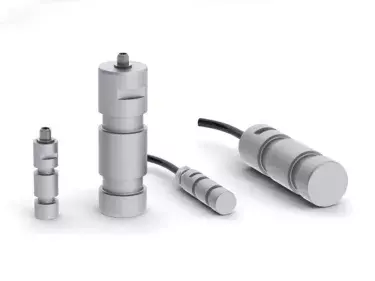
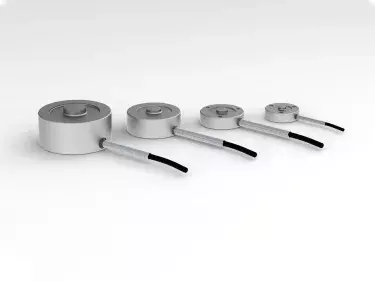
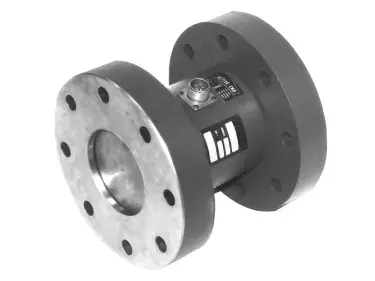
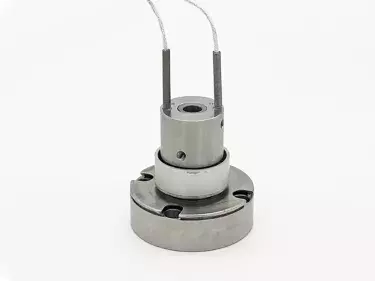
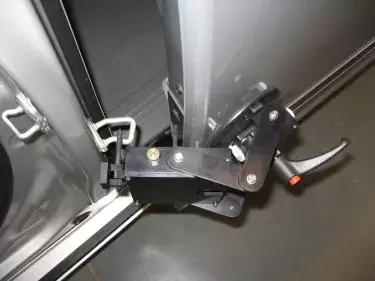
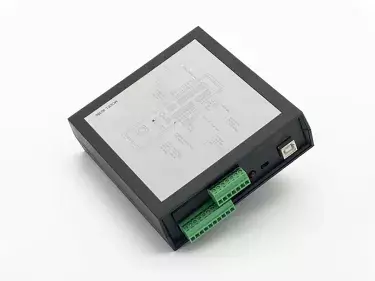
Standard or Custom Sensors
Which is better for strain gauge sensing?
Design starting point
| Standard Sensor | Custom Strain Gauge Sensor |
|---|---|
| Selected from an existing catalog range. Best when the application matches a known form factor and capacity. | Engineered from the measurement problem outward. The sensor is designed around the structure, load path, interface and performance target. |
Mechanical envelope
| Standard Sensor | Custom Strain Gauge Sensor |
|---|---|
| Fixed body size, mounting pattern, connector position and cable exit. May require fixture changes or added adapters. | Built around the available space. Geometry, mounting features, lead exits and connector location can be matched to the assembly. |
Load path
| Standard Sensor | Custom Strain Gauge Sensor |
|---|---|
| Works best when force, torque or moment is introduced in a clean, predictable way. Off-axis loads may reduce measurement quality. | Designed around the real load path. The sensing element can account for side loads, bending, torque, thrust, clamping force or multi-axis loading. |
Capacity and resolution
| Standard Sensor | Custom Strain Gauge Sensor |
|---|---|
| Limited to standard ranges. The selected sensor may be oversized or undersized for the required measurement window. | Capacity, sensitivity and overload protection can be tuned to the application. This helps improve usable signal and protects the sensor in service. |
Mounting and interfaces
| Standard Sensor | Custom Strain Gauge Sensor |
|---|---|
| Uses standard threads, holes, flanges or adapters. Integration may shift the measurement point. | Interfaces can match the customer part. This can include bolt patterns, pins, shafts, clevises, flanges, sockets, washers or embedded features. |
Accuracy in the actual system
| Standard Sensor | Custom Strain Gauge Sensor |
|---|---|
| Accuracy is usually based on catalog test conditions. Final performance depends on installation, fixtures and load introduction. | Performance can be validated against the real installation. Calibration can account for the fixture, load direction and operating conditions. |
Dynamic performance
| Standard Sensor | Custom Strain Gauge Sensor |
|---|---|
| Stiffness, deflection, frequency response and fatigue life are fixed by the standard design. | Stiffness, deflection, natural frequency, fatigue rating and duty cycle can be considered during design. |
Environmental fit
| Standard Sensor | Custom Strain Gauge Sensor |
|---|---|
| Limited to available material, sealing, temperature and cable options. Extra protection may require external packaging. | Materials, sealing, coatings, cable protection and temperature compensation can be selected for the environment. Useful for washdown, vacuum, high temperature, subsea, medical, aerospace or high-vibration use. |
Electrical integration
| Standard Sensor | Custom Strain Gauge Sensor |
|---|---|
| Standard bridge output, connector, cable length or signal format. May require external conditioning or wiring changes. | Output, bridge configuration, connector, cable routing, signal conditioning, wireless connection, TEDS and electronics can be matched to the system. |
Calibration strategy
| Standard Sensor | Custom Strain Gauge Sensor |
|---|---|
| Factory calibration is based on standard loading conditions. System-level effects may remain outside the certificate. | Calibration can be built around the measurement task. Options may include multi-point, multi-axis, torque, compression, tension, system-level, temperature or application-specific calibration. |
Manufacturing readiness
| Standard Sensor | Custom Strain Gauge Sensor |
|---|---|
| Fastest route when the catalog part fits. Lower upfront engineering effort. | Better suited for OEM production or critical test systems. Design reviews, prototyping, DFM and repeatable production can be built into the program. |
Lifecycle risk
| Standard Sensor | Custom Strain Gauge Sensor |
|---|---|
| Lower upfront cost, but adapters, rework or compromised data can add cost later. | Higher upfront engineering effort, but can reduce integration risk, redesign loops and long-term measurement uncertainty. |
Best fit
| Standard Sensor | Custom Strain Gauge Sensor |
|---|---|
| Use when size, range, mounting, output, environment and calibration needs are already covered by a standard product. | Use when the sensor must fit the machine, not the other way around. Best for constrained spaces, unusual load paths, harsh environments, OEM integration and high-value data. |
Not sure whether you need standard or custom?
Send us your load case, space limits, environment and output requirements. HITEC will help determine whether a standard sensor fits or a custom strain gauge sensor is the better path.