
Multi-Axis Sensors Custom Built for Your Application
Need to measure more than one force direction?
HITEC Sensors designs custom multi-axis sensors for applications where standard single-axis sensors do not show the full load picture.
Our custom strain gauge multi-axis sensors can measure force and torque across multiple directions. They are built around your axes, load ranges, geometry, mounting points, output and environment.
These sensors support robotics, aerospace systems, automotive testing, medical devices, precision assembly and research applications.
One Sensor for Complex Load Paths
Real loads do not always move in one direction.
Your system may see force, torque, bending or side loading at the same time. A single-axis sensor may miss part of the event. It may also require extra fixtures or extra sensors.
A custom multi-axis sensor gives you a more complete view.
HITEC designs the sensing element around your load path. We help define the axes, ranges and outputs. We also account for crosstalk, stiffness, overload and environmental conditions.
The result is a sensor that fits your system and captures the data you need.
Why Choose Custom Multi-Axis Sensors?
Off-the-shelf multi-axis sensors work when the size, range and interface already match your system. Many applications need something more specific.
Custom multi-axis sensors help you:
Capture force and torque data in one compact sensor.
Replace multiple sensors with one integrated measurement solution.
Design the sensor to reduce unwanted interaction between measurement channels.
Align the sensor to your force directions, moments and machine geometry.
Build around your mounting points, bolt pattern, envelope or OEM product design.
Measure complex loads with better repeatability and cleaner data.
Account for vibration, temperature, overload, moisture, shock and long duty cycles.
Custom Built Around Your Axes, Loads and Geometry
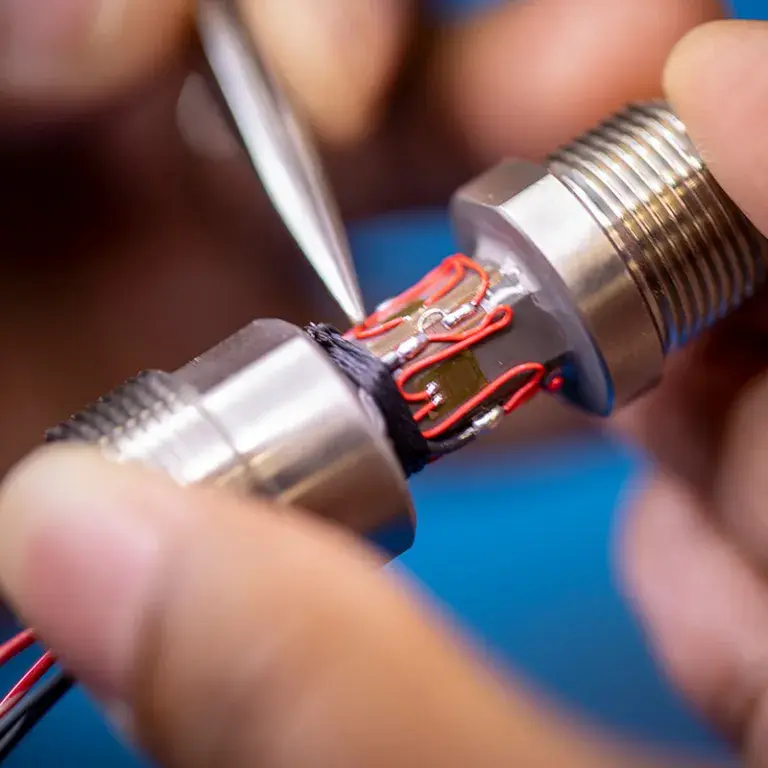
Multi-axis sensor design starts with the measurement problem.
HITEC can customize:
- Number of measurement axes
- Force ranges for Fx, Fy and Fz
- Moment ranges for Mx, My and Mz
- Torque and thrust measurement
- 3-axis or 6-axis force measurement
- Force-torque measurement
- Crosstalk targets
- Overload and extraneous load capacity
- Sensor size and shape
- Mounting holes, flanges and interfaces
- Mechanical stiffness and deflection
- Materials and sealing
- Cable routing and connectors
- Electrical output and signal conditioning
- Calibration data and documentation
- OEM production requirements
This gives you a sensor designed for your system, not a generic part adapted after the fact.
Sensor Customization for 6-Axis Measurement
Some applications need full 6-axis data.
That may include torque, thrust, side load or bending moment across three force channels and three moment channels.
A custom 6-axis force sensor can help when your system needs compact, high-value load data. This is common in robotics, surgical tools, aerospace mechanisms, test rigs and precision assembly.
HITEC can review your requirements and define the right sensor approach. We look at your axes, ranges, packaging, mounting and crosstalk needs.
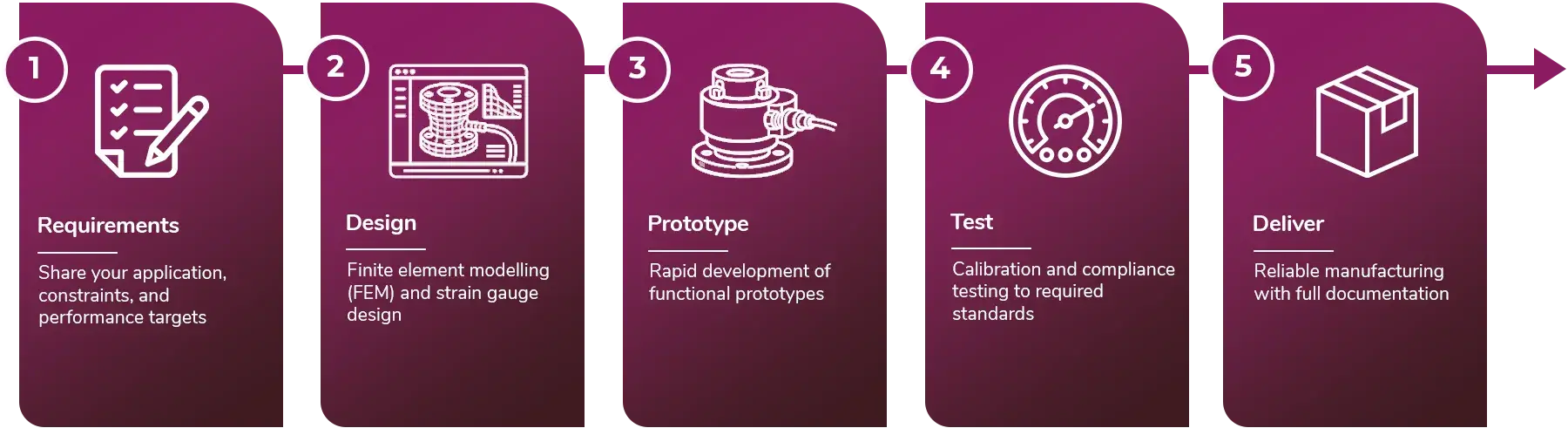
From Concept to Validated Solution
We follow a structured development process to ensure performance, reliability, and repeatability.
Custom Multi-Axis Sensor Types
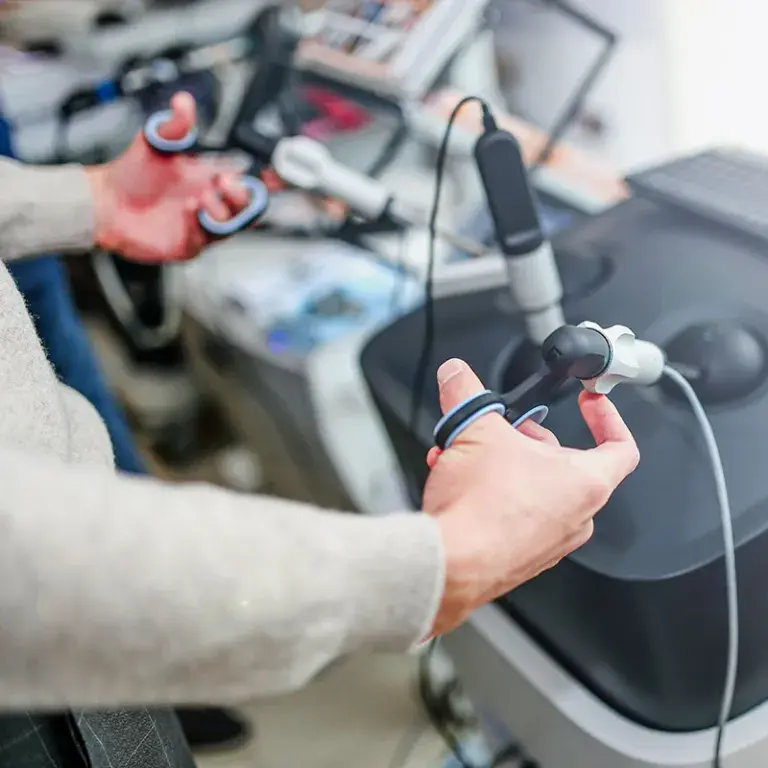
Custom 6-Axis Force Sensors
Measure force and moment across six degrees of freedom.
Common uses: robotics, end-effectors, surgical tools, biomechanical testing, research systems and advanced automation.

Custom Force-Torque Sensors
Measure force and torque in one compact sensor.
Common uses: robotic joints, grippers, assembly systems, aerospace test rigs and motion control systems.

Tri-Axial Load
Cells
Measure force across three axes.
Common uses: vehicle testing, structural testing, machine validation and research systems.

Torque-Thrust Sensors
Measure torque and thrust at the same time.
Common uses: flight control systems, actuators, drivetrains, rotating assemblies and aerospace test equipment.

Platform Multi-Axis Load Cells
Measure loads through a platform or plate structure.
Common uses: stance testing, equipment testing, vehicle testing, material handling and industrial test platforms.
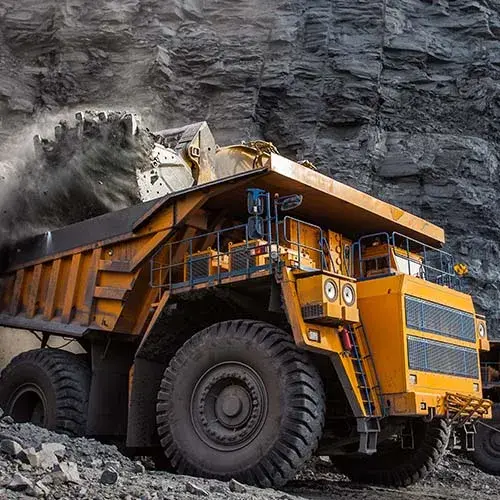
High Extraneous Load Sensors
Measure target loads while withstanding side loads, bending moments or other unwanted loads.
Common uses: vehicle testing, aerospace test equipment, rugged machinery and field test systems.
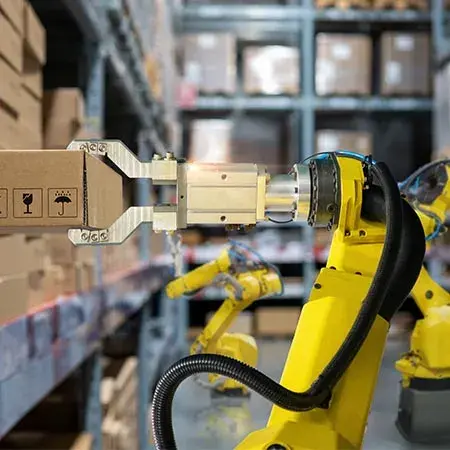
Robotic End-Effector Sensors
Add force and torque feedback to robot wrists, tools and grippers.
Common uses: robotic assembly, polishing, grinding, insertion, collaborative robots and automated inspection.
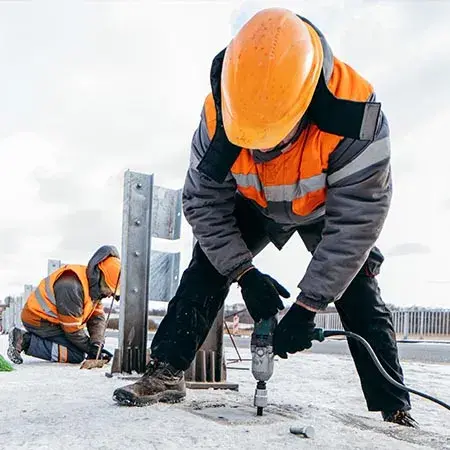
Embedded OEM Multi-Axis Sensors
Build multi-axis sensing into your product or assembly.
Common uses: medical devices, power tools, robotic systems, aerospace mechanisms and custom test equipment.
Custom Designed to Manage Crosstalk
Crosstalk is one of the main design challenges in multi-axis sensing.
It happens when load on one axis affects the output of another channel. In simple applications, this may be acceptable. In high-value tests, it can distort the data.
HITEC designs multi-axis sensors with crosstalk in mind.
We look at sensor geometry, strain gauge placement, mechanical stiffness, load introduction and calibration. The goal is to give each channel the cleanest possible signal.
This matters most when the sensor must measure several forces at once.
Standard or Custom Sensors
Which is better for strain gauge sensing?
Design starting point
| Standard Sensor | Custom Strain Gauge Sensor |
|---|---|
| Selected from an existing catalog range. Best when the application matches a known form factor and capacity. | Engineered from the measurement problem outward. The sensor is designed around the structure, load path, interface and performance target. |
Mechanical envelope
| Standard Sensor | Custom Strain Gauge Sensor |
|---|---|
| Fixed body size, mounting pattern, connector position and cable exit. May require fixture changes or added adapters. | Built around the available space. Geometry, mounting features, lead exits and connector location can be matched to the assembly. |
Load path
| Standard Sensor | Custom Strain Gauge Sensor |
|---|---|
| Works best when force, torque or moment is introduced in a clean, predictable way. Off-axis loads may reduce measurement quality. | Designed around the real load path. The sensing element can account for side loads, bending, torque, thrust, clamping force or multi-axis loading. |
Capacity and resolution
| Standard Sensor | Custom Strain Gauge Sensor |
|---|---|
| Limited to standard ranges. The selected sensor may be oversized or undersized for the required measurement window. | Capacity, sensitivity and overload protection can be tuned to the application. This helps improve usable signal and protects the sensor in service. |
Mounting and interfaces
| Standard Sensor | Custom Strain Gauge Sensor |
|---|---|
| Uses standard threads, holes, flanges or adapters. Integration may shift the measurement point. | Interfaces can match the customer part. This can include bolt patterns, pins, shafts, clevises, flanges, sockets, washers or embedded features. |
Accuracy in the actual system
| Standard Sensor | Custom Strain Gauge Sensor |
|---|---|
| Accuracy is usually based on catalog test conditions. Final performance depends on installation, fixtures and load introduction. | Performance can be validated against the real installation. Calibration can account for the fixture, load direction and operating conditions. |
Dynamic performance
| Standard Sensor | Custom Strain Gauge Sensor |
|---|---|
| Stiffness, deflection, frequency response and fatigue life are fixed by the standard design. | Stiffness, deflection, natural frequency, fatigue rating and duty cycle can be considered during design. |
Environmental fit
| Standard Sensor | Custom Strain Gauge Sensor |
|---|---|
| Limited to available material, sealing, temperature and cable options. Extra protection may require external packaging. | Materials, sealing, coatings, cable protection and temperature compensation can be selected for the environment. Useful for washdown, vacuum, high temperature, subsea, medical, aerospace or high-vibration use. |
Electrical integration
| Standard Sensor | Custom Strain Gauge Sensor |
|---|---|
| Standard bridge output, connector, cable length or signal format. May require external conditioning or wiring changes. | Output, bridge configuration, connector, cable routing, signal conditioning, wireless connection, TEDS and electronics can be matched to the system. |
Calibration strategy
| Standard Sensor | Custom Strain Gauge Sensor |
|---|---|
| Factory calibration is based on standard loading conditions. System-level effects may remain outside the certificate. | Calibration can be built around the measurement task. Options may include multi-point, multi-axis, torque, compression, tension, system-level, temperature or application-specific calibration. |
Manufacturing readiness
| Standard Sensor | Custom Strain Gauge Sensor |
|---|---|
| Fastest route when the catalog part fits. Lower upfront engineering effort. | Better suited for OEM production or critical test systems. Design reviews, prototyping, DFM and repeatable production can be built into the program. |
Lifecycle risk
| Standard Sensor | Custom Strain Gauge Sensor |
|---|---|
| Lower upfront cost, but adapters, rework or compromised data can add cost later. | Higher upfront engineering effort, but can reduce integration risk, redesign loops and long-term measurement uncertainty. |
Best fit
| Standard Sensor | Custom Strain Gauge Sensor |
|---|---|
| Use when size, range, mounting, output, environment and calibration needs are already covered by a standard product. | Use when the sensor must fit the machine, not the other way around. Best for constrained spaces, unusual load paths, harsh environments, OEM integration and high-value data. |
Not sure whether you need standard or custom?
Send us your load case, space limits, environment and output requirements. HITEC will help determine whether a standard sensor fits or a custom strain gauge sensor is the better path.
Applications for Custom Multi-Axis Sensors

Measure complex loads in flight controls, actuators, mechanisms, landing gear systems, structural test rigs and qualification equipment. Multi-axis data helps engineers understand how forces interact in compact, high-performance assemblies.
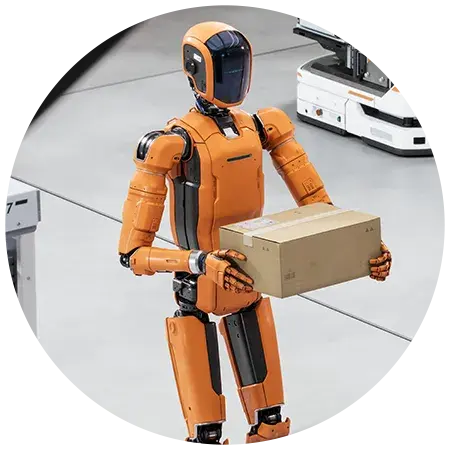
Measure force, torque and moment at robot wrists, grippers, joints and end-effectors. Custom multi-axis sensors support force feedback, assembly control, surface finishing, insertion tasks and collaborative robot systems.

Add force and torque feedback to surgical tools, robotic surgery systems, rehabilitation equipment, prosthetics and biomechanical test rigs.
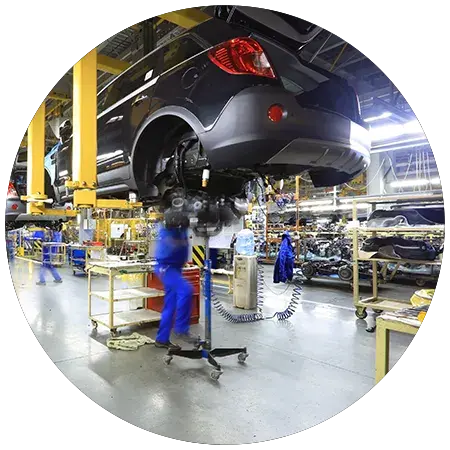
Measure braking force, lateral force, rolling resistance, drivetrain loads, suspension loads and component loads. Custom multi-axis sensors support vehicle development, durability testing and production validation.
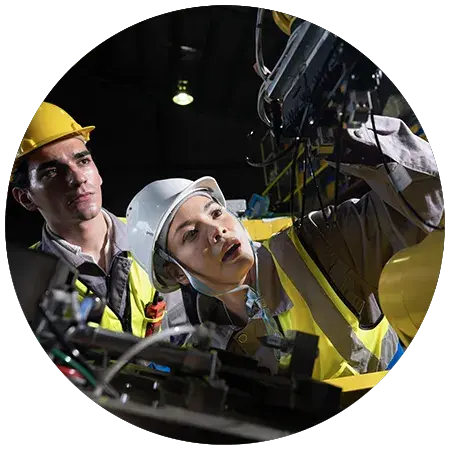
Measure complex loads in machinery, presses, fixtures, material test systems and production equipment. Custom designs help fit the sensor into the test setup without changing the measurement goal.
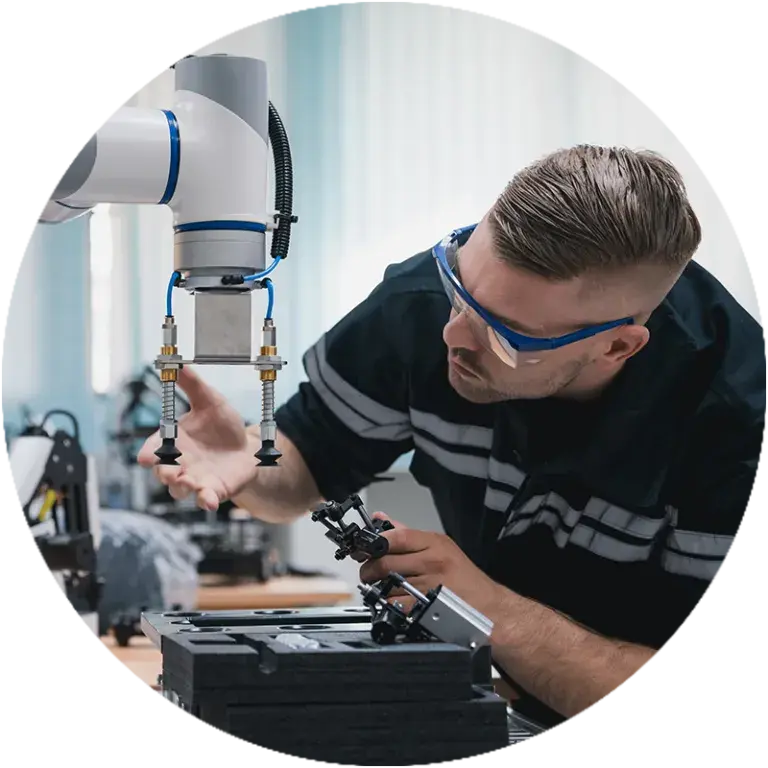
Capture multi-directional force data in laboratories, universities, prototype systems and advanced engineering programs. A custom sensor can match the test plan, not the other way around.
Speak to our experts
Provide us with your information and our team will contact you
Discover HITEC's Custom Sensor Capabilities
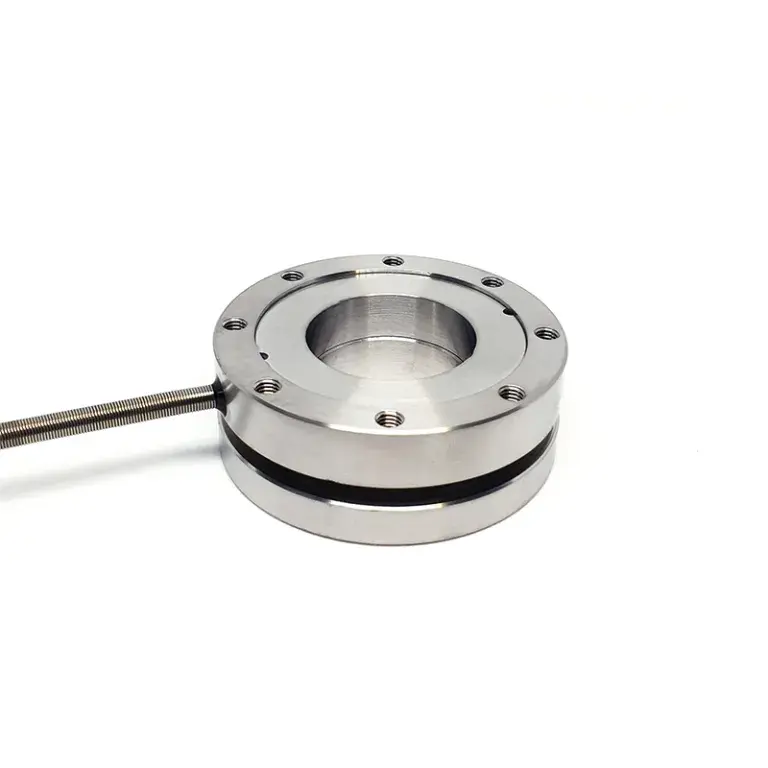
Match load paths with custom tension, compression and overload measurement.
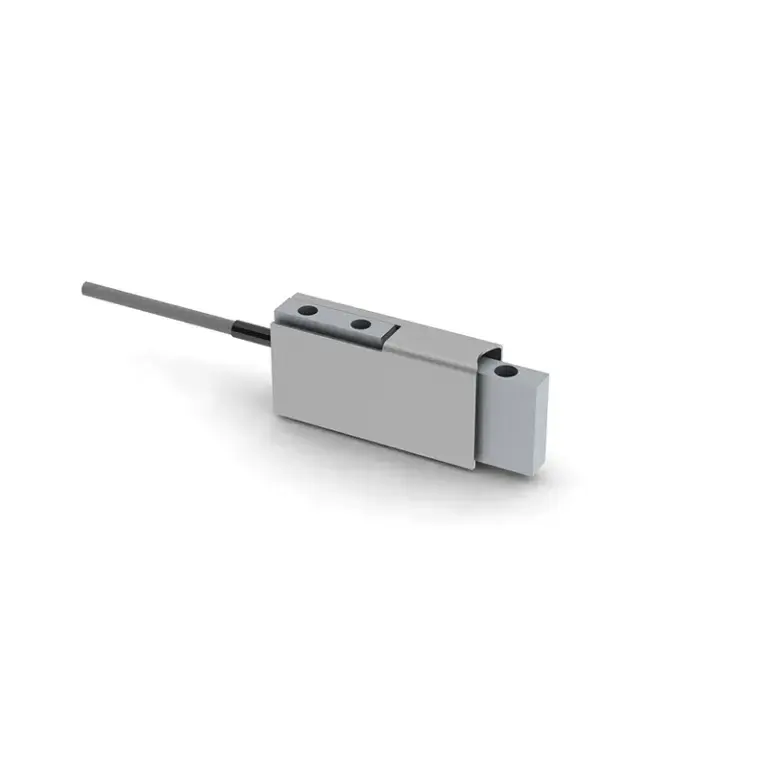
Fit force measurement into constrained spaces without sacrificing signal integrity.
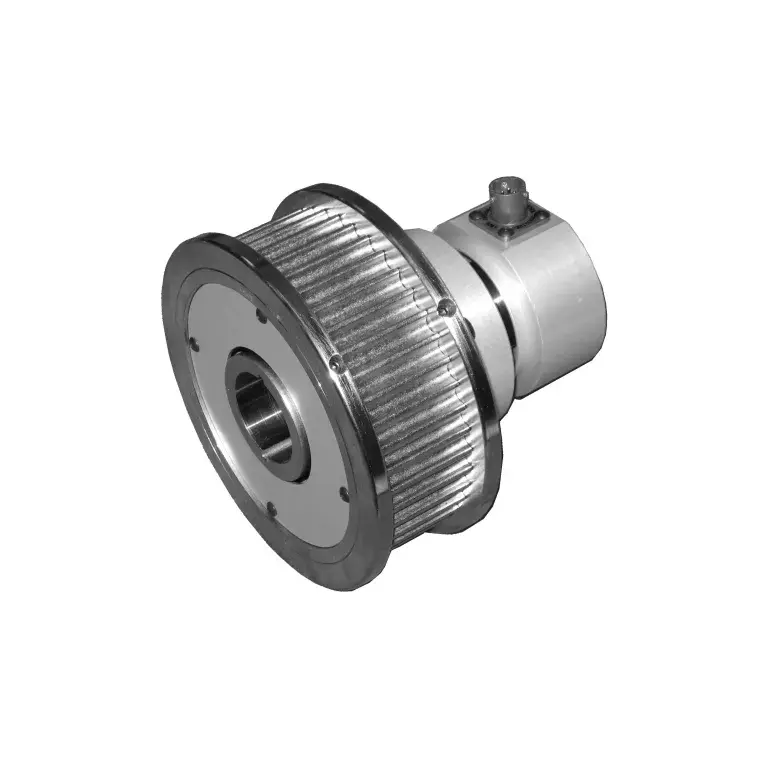
Measure rotating and reaction torque across shafts, flanges and drivetrains.
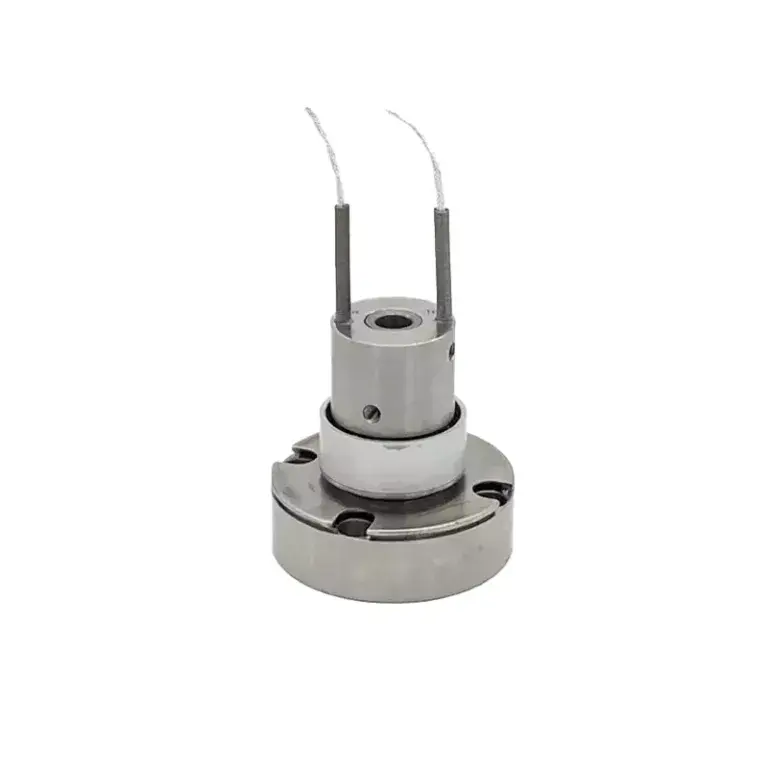
Resolve force, torque and moment vectors across complex load paths.
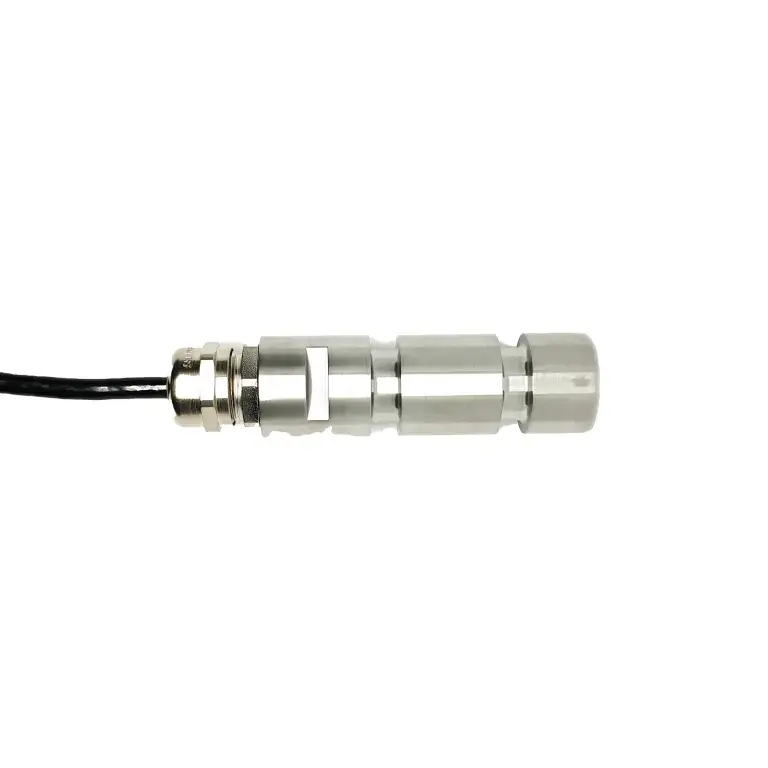
Replace structural pins with load sensing while preserving joint geometry.
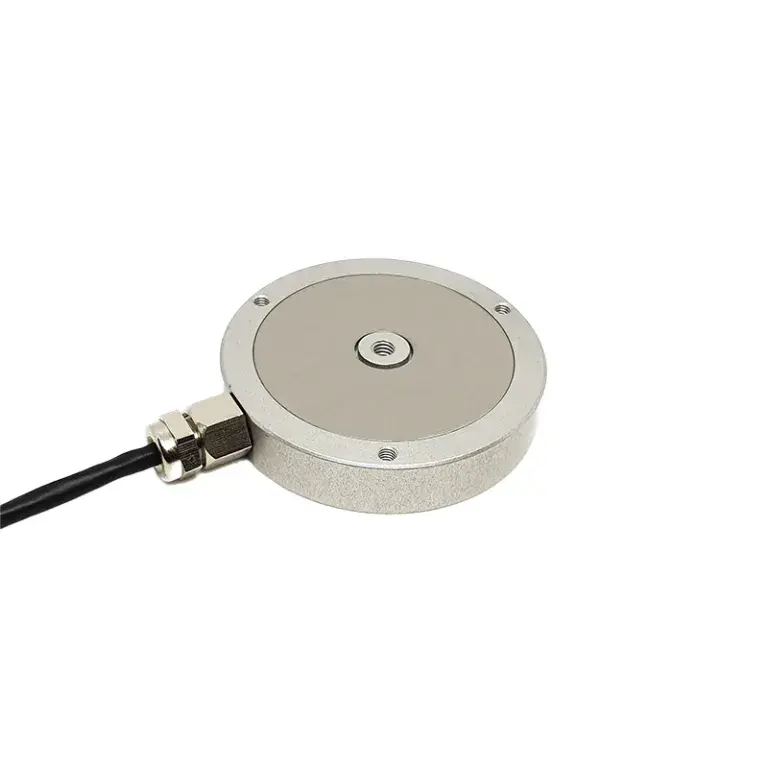
Measure tension and compression loads through custom engineered force transducers.